

Perimenopause Checklist: Symptoms, Labs, and Next Steps
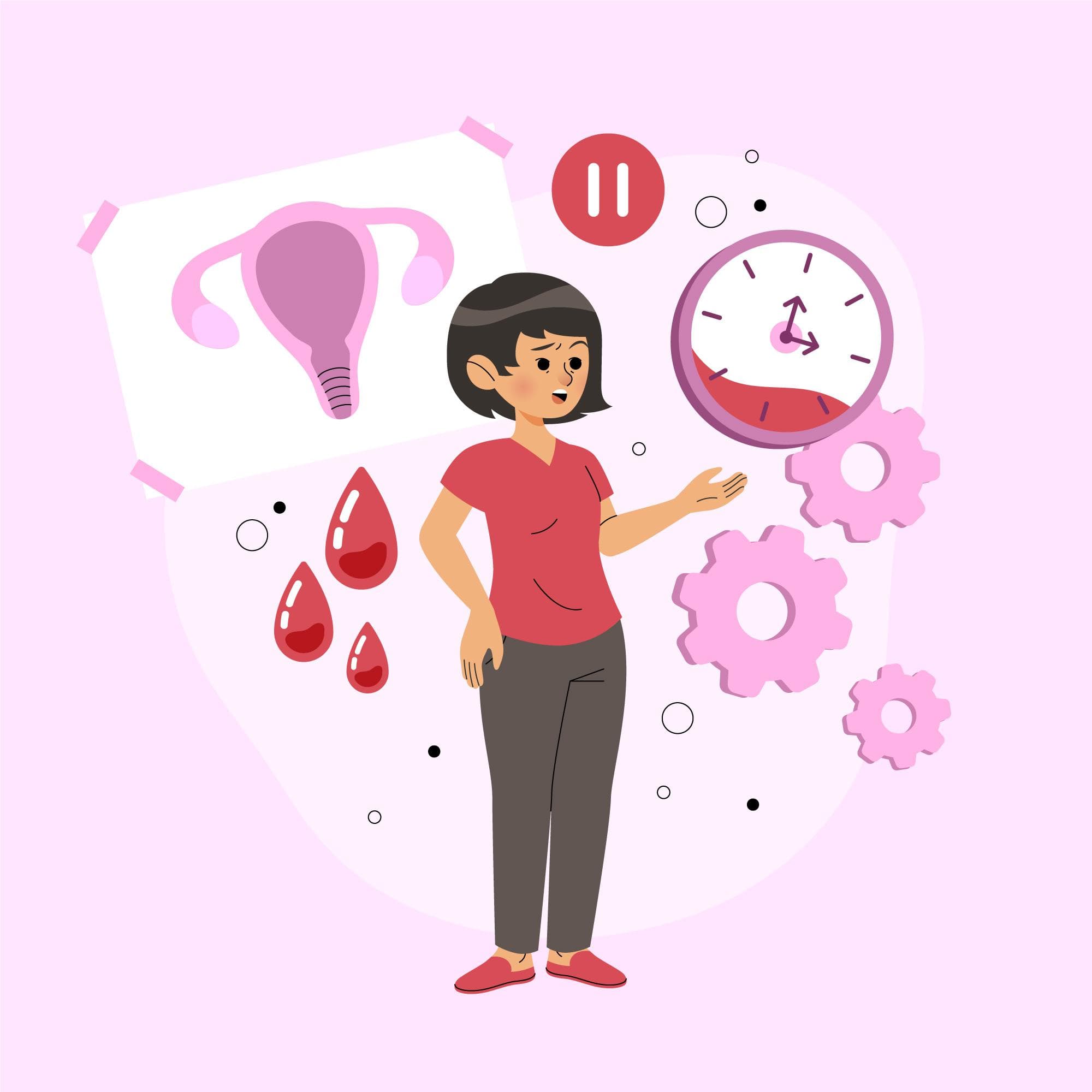
Perimenopause can begin years before menopause and often shows up as subtle changes in mood, sleep, cycles, and energy. A structured checklist helps make sense of symptoms and prevents delays in care.
Common symptoms to track
- Irregular cycles, heavier or lighter flow
- Hot flashes, night sweats, temperature swings
- Brain fog, anxiety, low mood, irritability
- Sleep disruption and persistent fatigue
- Weight gain or changes in body composition
Key labs your doctor may request
Labs are selected based on symptoms and history. Typical panels include estrogen, progesterone, thyroid, vitamin D, fasting glucose, and lipid profiles. These results guide safe, personalized treatment options.


Next steps
Start with a focused consultation, bring symptom notes, and discuss lifestyle changes alongside medical options. Early, thoughtful care can reduce long-term risks and improve quality of life.
Lifestyle habits that support hormone balance
- Prioritize 7 to 8 hours of consistent sleep to support hormone regulation
- Include strength training to help offset midlife changes in body composition
- Reduce caffeine and alcohol if hot flashes or sleep disruption are frequent
- Track cycles and symptoms in a journal or app to share with your doctor
Frequently asked questions about perimenopause
At what age does perimenopause usually start? Most women notice changes in their mid-to-late 40s, though it can begin earlier for some.
How long does perimenopause last? On average, perimenopause lasts 4 to 8 years before periods stop completely and menopause begins.
Do I need treatment, or will symptoms pass on their own? Mild symptoms may not need treatment, but persistent or disruptive symptoms are worth discussing with a specialist, since early management often prevents complications later.